The DIY thread - DIYourself

Would like to do the same with mine but wifey won't let me. My ice maker hasn't worked in years (i think because it's frozen solid) but wifey keeps going to the supermarket and Costco 3x per week and loading up the freezer and i don't want to waste food. Maybe during the holidays i can convince her to have a "feast" (aka a freezer cleanout meal).
Our ice maker didn't work for years. I'm sure I spent more than the cost of a new refrigerator on buying bags of ice to use. Finally got a new refrigerator and forgot how practical that is.
 
Between the overlaps happening on the studs along with paint afterwards in the tight seems, it's surprising how sealed they are. If anything I could put some rubber weatherstripping or something similar on the studs that the edge of the paneling nails to.

I thought about drywall for a hot minute but the window and door casing is setup right now for the thickness of wood paneling. Plus wood paneling is 10x easier to work with.

I'm looking to tear off one wall this weekend, just want to make sure there isn't any gotchas I haven't thought about.
Late to this, but sometimes it's required to install drywall under wood paneling for fire resistance. Depends on local code and flame spread rating of the paneling. Padding out trim to accommodate the different wall thickness is a bit of a pain, but not that hard to do. Rip a bunch of 3/4 pine. You can pre-paint it before you nail it up.
 
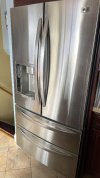
View attachment 273472The freezer has been struggling to keep up lately. I noticed this week that the bottom drawer wasn’t sealing all the way. Been there with this unit, I figured there was ice built up along the seal somewhere.

This morning when I started looking, I realized some bread that was in the bottom of the drawer was totally soft. So, wound up tossing pretty much everything in the freezer including a bunch of meat which is really disappointing. Decided to let it defrost and see how that goes.

Turns out that the entire bottom of the freezer was a solid sheet of ice. I’m hoping it’s not from the ice maker/ water dispenser…

View attachment 273473
Like literally the same fridge.

Got this one during covid after a windstorm surged the power and fried the Viking branded fridge we had which I wasn’t so sad to see that one go. Lucky for me homeowners insurance covered it.

Haven’t had that issue with it the only complaint really is the water dispenser button broke like 3 weeks after we got it so if you’re not careful it gets stuck.


IMG_2037.jpeg
 
Like literally the same fridge.
It’s been trouble-free until now. Got ours January 2017 during an unplanned kitchen tear-down. Posts are tin this thread somewhere, I’ll dig them up later if I get bored.

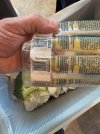
Turns out @qclabrat was right, it was a clogged drain. Thanks Walter! So, a bit of scope creep on this project lol first YouTube result was exactly what I needed thankfully. You can’t tell from the 3rd pic but that whole tray was filled with water, too bad I did t get to it while it was still ice. That little fuzzball in the bottom of the soup container was the root of it all, barely a clog it seemed!

Now all that’s left is a deep clean of the shelves since it’s empty.
IMG_5712.jpegIMG_5713.jpegIMG_5714.jpegIMG_5717.jpegIMG_5715.jpeg

Here’s the YouTube link for Ian when the day comes. Alternatively, pull it out every now and again and vacuum the dust off the back cover and hopefully avoid the whole issue.


It’s been trouble-free until now. Got ours January 2017 during an unplanned kitchen tear-down. Posts are tin this thread somewhere, I’ll dig them up later if I get bored.

Turns out @qclabrat was right, it was a clogged drain. Thanks Walter! So, a bit of scope creep on this project lol first YouTube result was exactly what I needed thankfully. You can’t tell from the 3rd pic but that whole tray was filled with water, too bad I did t get to it while it was still ice. That little fuzzball in the bottom of the soup container was the root of it all, barely a clog it seemed!

Now all that’s left is a deep clean of the shelves since it’s empty.
View attachment 273484View attachment 273485View attachment 273486View attachment 273487View attachment 273488

Here’s the YouTube link for Ian when the day comes. Alternatively, pull it out every now and again and vacuum the dust off the back cover and hopefully avoid the whole issue.


Video saved in my YT favorites thx
 
Pulled the rear cover off the fridge again to make sure the condenser fan was spinning (it was). I also did an extra thorough vacuuming of the coils, and spotted some additional vents I missed yesterday that were clogged with dust.

One other possibility is that one of the evaporator fans is shot, or maybe a wire got caught up in one of the blades. I noticed a bit of extra slack in them as I put it back together and almost did something about it. I’ll check on that tomorrow if there’s no more improvement.

Otherwise, it’s probably a failing compressor.
 
Alright, where are my HVAC folks?

We have like 100 y/o steam radiators, and converted from oil to gas last season.
The old boiler (40y) was still working fine, but was rusting out in a spot that made it a ticking time bomb,
so we took the opportunity to convert to gas.

Going in I knew that gas & steam wasn't as good a pairing as oil & steam,
but figured it would be okay.

New system is working well enough, but maybe too well-
With the new boiler we have major humidity issues,
like lack of humidity.
I am not sure what our levels were with the old system,
but now we are getting readings in the 30's

My guess is that because the gas is so efficient, it gets to temp much quicker,
there is no steam output at the radiators.
With the oil boiler, it would take longer to get to temp,
and kind of be a slow burn, and you'd get steam (and humidity) blowing out the relief valves at the radiator.
With the gas, we never hear the whistling we used to from the rads,
I have to believe this is our problem.

Anyone hear of or have this issue with gas/steam system?
 
Alright, where are my HVAC folks?

We have like 100 y/o steam radiators, and converted from oil to gas last season.
The old boiler (40y) was still working fine, but was rusting out in a spot that made it a ticking time bomb,
so we took the opportunity to convert to gas.

Going in I knew that gas & steam wasn't as good a pairing as oil & steam,
but figured it would be okay.

New system is working well enough, but maybe too well-
With the new boiler we have major humidity issues,
like lack of humidity.
I am not sure what our levels were with the old system,
but now we are getting readings in the 30's

My guess is that because the gas is so efficient, it gets to temp much quicker,
there is no steam output at the radiators.
With the oil boiler, it would take longer to get to temp,
and kind of be a slow burn, and you'd get steam (and humidity) blowing out the relief valves at the radiator.
With the gas, we never hear the whistling we used to from the rads,
I have to believe this is our problem.

Anyone hear of or have this issue with gas/steam system?
Dumped this into one of our future AI overlords as this is what it spit out. I think it's telling you that you're spot on in your assessment, does offer some options:

Your friend's experience is actually pretty common when switching from an old oil-fired steam boiler to a newer gas one—especially with a system that's over 100 years old. The core issue isn't really the fuel type (gas vs. oil) itself, but how the new boiler's efficiency and behavior interact with an older steam distribution system.


Why You're Seeing Lower Humidity Now​


Steam heating systems don't inherently add meaningful humidity to your home. A properly functioning steam radiator system heats the air without humidifying it—any moisture comes from tiny amounts of steam that might escape through air vents (which is actually a sign of a problem, like clogged vents). The perceived "moist heat" many people associate with old steam systems often comes from inefficiencies in older boilers: slower heating cycles, wetter steam, and more frequent venting of steam-laden air from radiators.


  • Old oil boiler — It likely took longer to reach temperature, produced "wetter" steam (more water droplets mixed in), and ran longer cycles. This caused more steam to escape through radiator vents (that whistling/hissing you remember), adding a bit of moisture to the air. It also drew in more cold, dry infiltration air.
  • New gas boiler — Gas burners are cleaner, hotter, and more efficient. The boiler reaches steam temperature faster, produces drier steam, and cycles shorter. This means less (or no) steam escapes from vents, so no extra humidity from leaks. The system is quieter and more sealed, but the air still gets dried out by winter heating (cold outdoor air holds less moisture, and heating it drops relative humidity).

In short: The "humidity" you lost wasn't from the steam heat itself—it was from the old system's quirks. Modern gas steam boilers are designed to minimize those quirks for better efficiency and longevity.


Other Possible Factors​


  • System tuning — New boilers often need adjustments (e.g., pressure settings, burner tuning) to match older piping. If it's running too efficiently/short cycles, it might not distribute steam evenly, leading to less venting.
  • House changes — Any recent insulation, weatherstripping, or reduced air leaks could trap drier indoor air more effectively.
  • Winter conditions — Outdoor cold snaps naturally lower indoor humidity regardless of heating type.

What to Do About It​


Low humidity (30s %) is common in winter with any heating system, but aim for 40-50% for comfort (less static, better skin/respiratory health). Since steam systems aren't ducted, whole-house humidifiers aren't straightforward, but here are solid options:


  • Radiator humidifiers — Place evaporative ones (like Snow Joe or similar metal trays) on top of radiators. The heat evaporates water safely without risking boiler issues.
  • Portable humidifiers — Ultrasonic or evaporative models in key rooms (bedrooms/living areas). Clean them regularly to avoid mold.
  • Whole-house options — A steam humidifier tied to the boiler (if your setup allows) or a separate electric one. Avoid adding water directly to the boiler—it shortens its life with mineral buildup.
  • Other tips — Bowls of water near radiators, houseplants, or hanging wet laundry can help mildly.

Bottom Line​


This isn't a "gas vs. steam" problem—it's the efficiency upgrade making the system run "too well" compared to the old one. Your friend isn't alone; many people notice drier air after modernizing. The system is likely working better overall (quieter, more efficient, no whistling vents = good sign of proper venting), but adding a humidifier will restore that cozy feel.


If the humidity is causing real discomfort or issues (cracked wood, static), definitely add some moisture. Otherwise, enjoy the reliable heat—it's a win! If they're worried about the system itself, a quick check by a steam specialist (not just any HVAC guy) could confirm everything's tuned right.

 
Alright, where are my HVAC folks?

We have like 100 y/o steam radiators, and converted from oil to gas last season.
The old boiler (40y) was still working fine, but was rusting out in a spot that made it a ticking time bomb,
so we took the opportunity to convert to gas.

Going in I knew that gas & steam wasn't as good a pairing as oil & steam,
but figured it would be okay.

New system is working well enough, but maybe too well-
With the new boiler we have major humidity issues,
like lack of humidity.
I am not sure what our levels were with the old system,
but now we are getting readings in the 30's

My guess is that because the gas is so efficient, it gets to temp much quicker,
there is no steam output at the radiators.
With the oil boiler, it would take longer to get to temp,
and kind of be a slow burn, and you'd get steam (and humidity) blowing out the relief valves at the radiator.
With the gas, we never hear the whistling we used to from the rads,
I have to believe this is our problem.

Anyone hear of or have this issue with gas/steam system?
Since you're not in the market for humidifiers, I highly suggest the type you fill from the top vs where you have to take off the water container.

And I suck it up and buy distilled water so that I don't breath in minerals nor have the dust that can come from hard water.
 
Pulled the rear cover off the fridge again to make sure the condenser fan was spinning (it was). I also did an extra thorough vacuuming of the coils, and spotted some additional vents I missed yesterday that were clogged with dust.

One other possibility is that one of the evaporator fans is shot, or maybe a wire got caught up in one of the blades. I noticed a bit of extra slack in them as I put it back together and almost did something about it. I’ll check on that tomorrow if there’s no more improvement.

Otherwise, it’s probably a failing compressor.
Compressor has a replaceable start relay and capacitor. If the thermostat starts and stops the fans, and the compressor does not get warm to the touch, change the relay and capacitor. Don't bother to figure if it is the relay or the capacitor, just switch out both. Should be plug and play on a new fridge. Also, don't use an old style 3-in-1 on a new fridge.
 
@rjr44 tell your AI Overlord I’ve got a humidifier and I’m lucky if it gets us to 40%

Since you're not in the market for humidifiers, I highly suggest the type you fill from the top vs where you have to take off the water container.

And I suck it up and buy distilled water so that I don't breath in minerals nor have the dust that can come from hard water.
I bought one last year- house size model, 6 gallon reservoir. It’s a wicking style, so tap water is fine, just need to change the filter.
No way id be feeding it 8 gallons of distilled water a day.

And yes- top loading
 
Compressor has a replaceable start relay and capacitor. If the thermostat starts and stops the fans, and the compressor does not get warm to the touch, change the relay and capacitor. Don't bother to figure if it is the relay or the capacitor, just switch out both. Should be plug and play on a new fridge. Also, don't use an old style 3-in-1 on a new fridge.
I confirmed the compressor runs and gets warm. I also pulled the evaporator cover off again and confirmed the 2 fans are running. If I try to move the fridge while it’s running the compressors makes a really weird noise, so that’s a bit suspect.

The only other thing I can think of is the temp sensor for the freezer, but I’m not sure why that would make the fridge take a really long time to come down to temp.
 
Alright, where are my HVAC folks?

We have like 100 y/o steam radiators, and converted from oil to gas last season.
The old boiler (40y) was still working fine, but was rusting out in a spot that made it a ticking time bomb,
so we took the opportunity to convert to gas.

Going in I knew that gas & steam wasn't as good a pairing as oil & steam,
but figured it would be okay.

not sure why you would think this, (we have been in a house with gas fired steam for 10 years in january) but it sounds like something subtantial changed if this is a new problem. maybe your vent valves need to be changed out (we usually lose 1 or 2 a year on our system)

Anyone hear of or have this issue with gas/steam system?

ours whistle for a while every cycle, but the cycles arent very long, of course since i have no comparison to an oil fired unit this is information without a reference frame . . . . therefore mostly useless. We also have low humidity, but not nearly as low as my apt with forced hot air would get, my wife also loves her humidifiers so we have them in every room. THe biggest challenge with humidity in the winter is independent of heat source, and that is cold air having a lower capacity to hold moisture, the moisture content (by weight or volume w/e you want to measure by) is the same in the air inside your house and the air outside, but humidity is measured as a % of the airs capacity, which varies based on temperature.
 
Alright, where are my HVAC folks?

We have like 100 y/o steam radiators, and converted from oil to gas last season.
The old boiler (40y) was still working fine, but was rusting out in a spot that made it a ticking time bomb,
so we took the opportunity to convert to gas.

Going in I knew that gas & steam wasn't as good a pairing as oil & steam,
but figured it would be okay.

New system is working well enough, but maybe too well-
With the new boiler we have major humidity issues,
like lack of humidity.
I am not sure what our levels were with the old system,
but now we are getting readings in the 30's

My guess is that because the gas is so efficient, it gets to temp much quicker,
there is no steam output at the radiators.
With the oil boiler, it would take longer to get to temp,
and kind of be a slow burn, and you'd get steam (and humidity) blowing out the relief valves at the radiator.
With the gas, we never hear the whistling we used to from the rads,
I have to believe this is our problem.

Anyone hear of or have this issue with gas/steam system?

put a shallow pan of water on the radiators....old skool.
 
Back
Top Bottom